




White Kidney Bean Peptide ≥80% (Phaseolus vulgaris L.): A Sourcing Guide for Carb-Management Formulas
Written from the perspective of an operations specialist and raw-material supplier in the bioactive peptide trade. This is general technical guidance for procurement and R&D teams. It is not medical advice; "weight management," "carb-blocking" and appetite-adjacent terms are regulated in many markets and must be handled carefully.
Every few months a procurement manager asks me the same question in slightly different words: "Is the white kidney bean peptide everyone is quoting actually standardized, or is it just re-ground bean flour with a peptide label?" It is a fair question, because plain white kidney bean powder is cheap, and cheap powder tends to behave like cheap powder — inert starch, drifting activity, weak results. The professional job is to read the specification line, not the sales line.
This sheet is what I walk buyers through on the operations side. It is written for procurement and R&D teams evaluating carb-management and weight-support raw materials, and it applies whoever you finally buy from.
What "white kidney bean peptide ≥80%" means on a datasheet
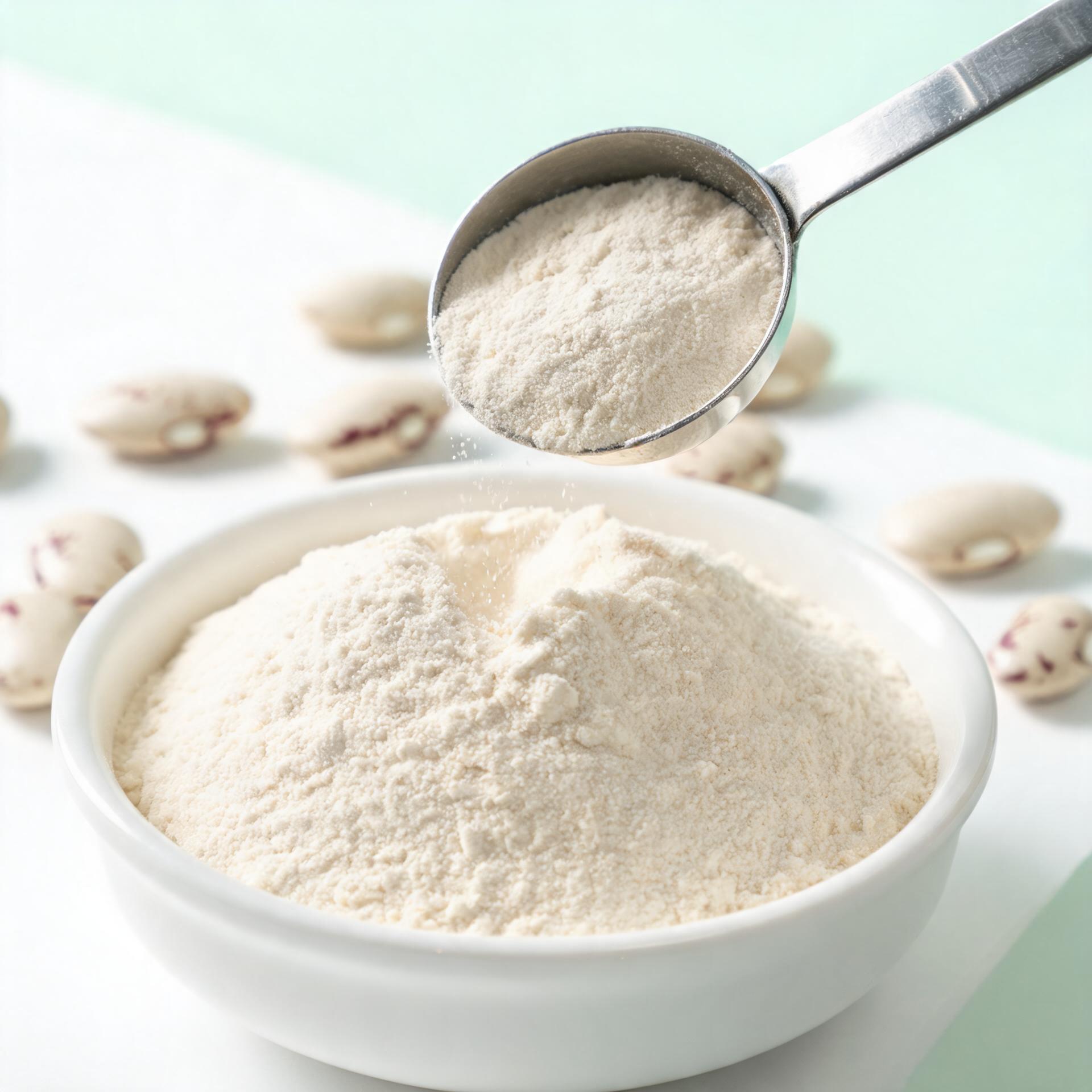
White Kidney Bean Peptide is a high-purity functional small-molecule peptide refined from Phaseolus vulgaris L. (white kidney bean). The key technical lines are:
Specification: ≥80% peptide content
Botanical source: Phaseolus vulgaris L. (White Kidney Bean)
Core bioactive property: natural α-amylase inhibitor support
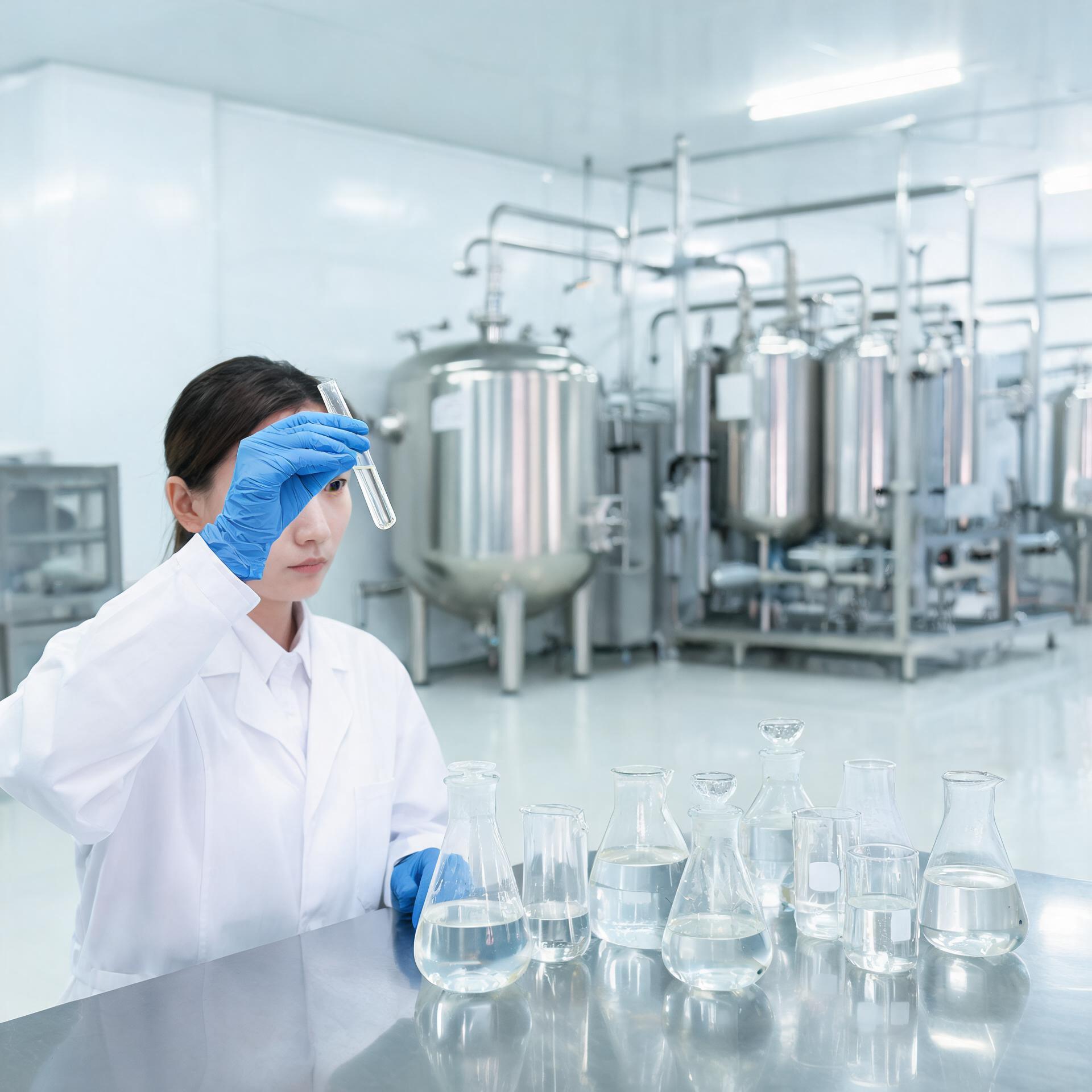
Processing: low-temperature enzymatic hydrolysis & membrane separation
Appearance / shelf life: off-white fine powder | 24 months
The line to read carefully is the bioactive property, not just the purity. This is where white kidney bean peptide earns its reputation: it carries natural α-amylase-inhibitor factors that act on how quickly dietary starch is broken down. That mechanism is exactly why the surrounding claims need strict, non-exaggerated wording.
Why a standardized peptide form beats crude white kidney bean powder
| Characteristic | What it means in formulation |
|---|---|
| Standardized activity | Concentrates α-amylase-inhibitor factors instead of the unpredictable activity of unpurified bean powder. |
| Inert-starch removal | Hydrolysis and membrane separation remove redundant starch and inactive macromolecular proteins. |
| Bioavailability | Small-molecule active peptides act in the GI tract with less digestive burden than whole-protein powders. |
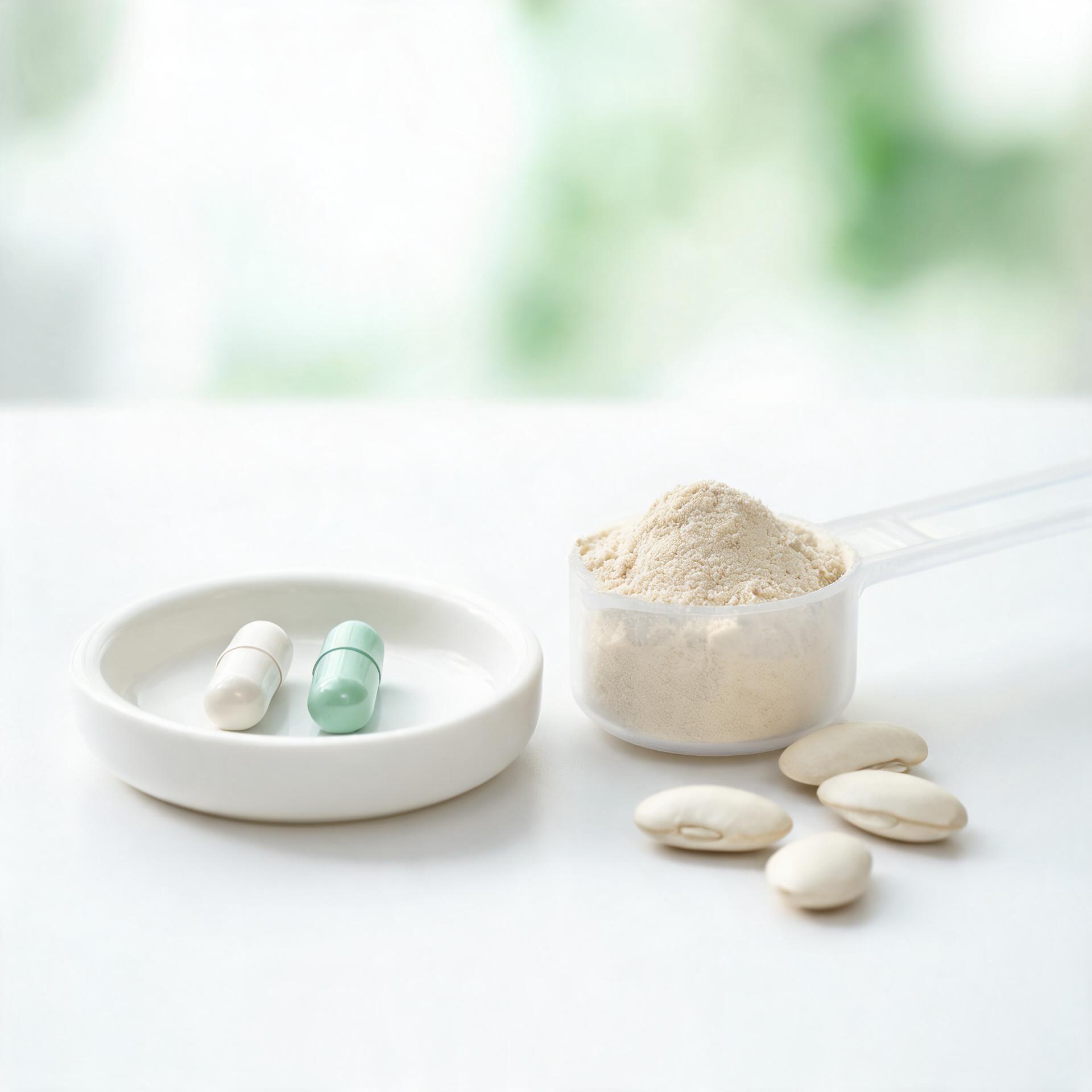
| Processing-friendly | Low moisture and strong anti-caking behavior suit capsules, tableting and solid-drink blending. |
| Blend compatibility | Compatible with chitosan, L-carnitine, garcinia cambogia and plant enzymes. |
Where formulators use ≥80% white kidney bean peptide
Starch / carb-blocker tablets — the classic capsule and tablet format for reducing starch breakdown from staple foods.
Carb-control and daily calorie-intercepting capsules — targeted-dose finished supplements.
Metabolic & body-shaping blends — compound formulas pairing with L-carnitine, garcinia cambogia and plant enzymes.
Custom R&D — as a standardized active base for weight-support and carbohydrate-management concepts.
What to verify before you buy
Purity and botanical source. Confirm the ≥80% peptide specification and the source Phaseolus vulgaris L., not a generic "bean powder."
Inhibitor activity, not just protein. Because this is an enzyme-inhibitor peptide, ask for an activity / HPLC test report — "peptide content" and "effective α-amylase inhibition" are different things and both belong on the COA.
Clean extraction. Confirm physical and biological processing with no chemical solvents, bleaching agents or preservatives if clean-label matters for your market.
Batch documentation. COA, HPLC report, and MSDS for shipping and filing.
Our production runs in an ISO 9001:2015-certified facility with GMP-aligned controls and third-party lab verification — but the same four questions should be asked of any candidate supplier.
A quick supplier qualification checklist
Verify the entity and role. Manufacturer vs. trader, matched to your contract.
Confirm purity, botanical source and process. ≥80% peptide, Phaseolus vulgaris L., and enzymatic hydrolysis / membrane separation.
Request the α-amylase inhibitor activity / HPLC report alongside the COA — activity is the meaningful specification here.
Review regulatory positioning for your target market before drafting any consumer claims.
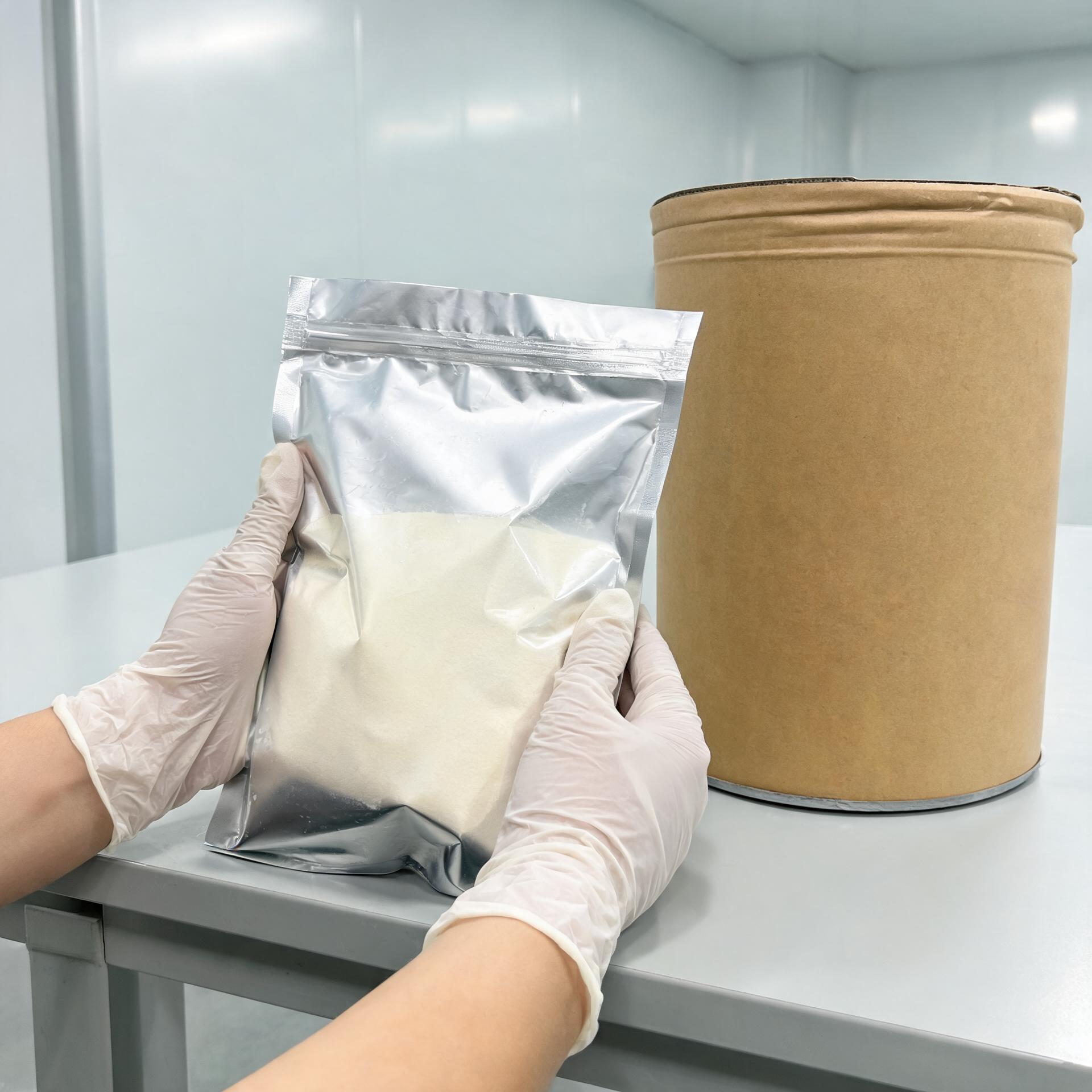
Check packaging and logistics. 1 kg foil bags and 25 kg export fiber drums, with in-stock sample shipping in roughly 1–3 days.
If you would like to compare this bean-derived peptide with our other plant peptides, the SR-Peptides category is the place to start, with the full catalogue under Products and company background on the About Us page.
Frequently asked questions
What is the advantage over ordinary white kidney bean powder?
Ordinary white kidney bean powder is low in peptide content, carries large amounts of inert starch, and has weak, unstable blocking activity — which can lead to ineffective finished products. White Kidney Bean Peptide ≥80% concentrates high-activity small-molecule peptides for significantly stronger and more stable α-amylase inhibition.
How does white kidney bean peptide work for carbohydrate management?
It inhibits human α-amylase activity, which slows and prevents dietary starch and complex carbohydrates from being rapidly broken into absorbable glucose. This reduces excess calorie absorption from staple foods and can support daily carbohydrate and weight management without stimulating the central nervous system — framed as raw-material direction, not a consumer medical claim.
Do you supply finished carb-blocking capsules or retail supplements?
No. We are strictly an upstream B2B raw-material manufacturer and supply bulk White Kidney Bean Peptide ≥80% powder to supplement brands, food factories and research labs; we do not sell finished retail formulations.
Is this Phaseolus vulgaris L. peptide clean-label safe?
Yes. It is purely physically and biologically processed from natural Phaseolus vulgaris L. without chemical solvents, bleaching agents or preservatives, and it is positioned as food-grade. Clean-label compliance of your finished product still depends on the full formula and market rules.
Can you provide samples and complete test certificates for customs clearance?
Yes. Free sample testing is available, and each commercial bulk order includes a COA, HPLC test report, commercial invoice, packing list and MSDS to support smooth customs clearance and product filing.